
Durability in Retail Fixtures: What Brands Often Overlook
Materials, finishes, and lifecycle thinking in high-footfall environments
When brands evaluate retail fixture proposals, the conversation almost always gravitates toward the same things: aesthetics, timelines, and cost. Durability — how long a fixture will actually last under real retail conditions — is frequently treated as a given rather than a deliberate design decision.
It is not a given. And the consequences of overlooking it are more significant than most brands realise at the time of purchase.
The Footfall Factor
Retail fixtures operate in demanding environments. A display unit in a busy beauty counter or FMCG aisle is touched, leaned against, loaded and unloaded, cleaned with commercial products, and subjected to heat, humidity, and light exposure — every single day.
A fixture that performs flawlessly in a showroom or a low-traffic pilot store may deteriorate significantly faster in a high-footfall environment. Edges chip. Laminates peel. Paint finishes crack or fade. Structural joints loosen. Hardware fails.
When a fixture begins to look worn, the brand it carries looks worn too. This is the often-unquantified cost of underspecified durability.
Material Selection Is a Strategic Decision
The materials specified for a retail fixture determine its performance ceiling. MDF with a standard laminate finish will behave very differently over three years than MDF with a post-formed edge and a UV-resistant coating. Powder-coated steel holds up under cleaning cycles that would degrade a painted mild steel surface. Solid wood, correctly treated, can outlast composite alternatives in high-touch applications.
None of these decisions are purely aesthetic. They are lifecycle decisions. The right material for a fixture is not the material that looks best in a render — it is the material that continues to look good after 18 months of daily use in the specific environment where it will be deployed.
This requires fixture manufacturers and designers to ask questions that go beyond the brief: What is the typical daily footfall? What cleaning products does the retail environment use? Is the location climate-controlled? What is the expected fixture lifespan before the next brand refresh?
Finishing Quality Is Not Cosmetic
The finish on a retail fixture is its first line of defence against the environment. A well-applied, correctly specified finish protects the substrate, maintains the brand's colour fidelity, and determines how a fixture ages.
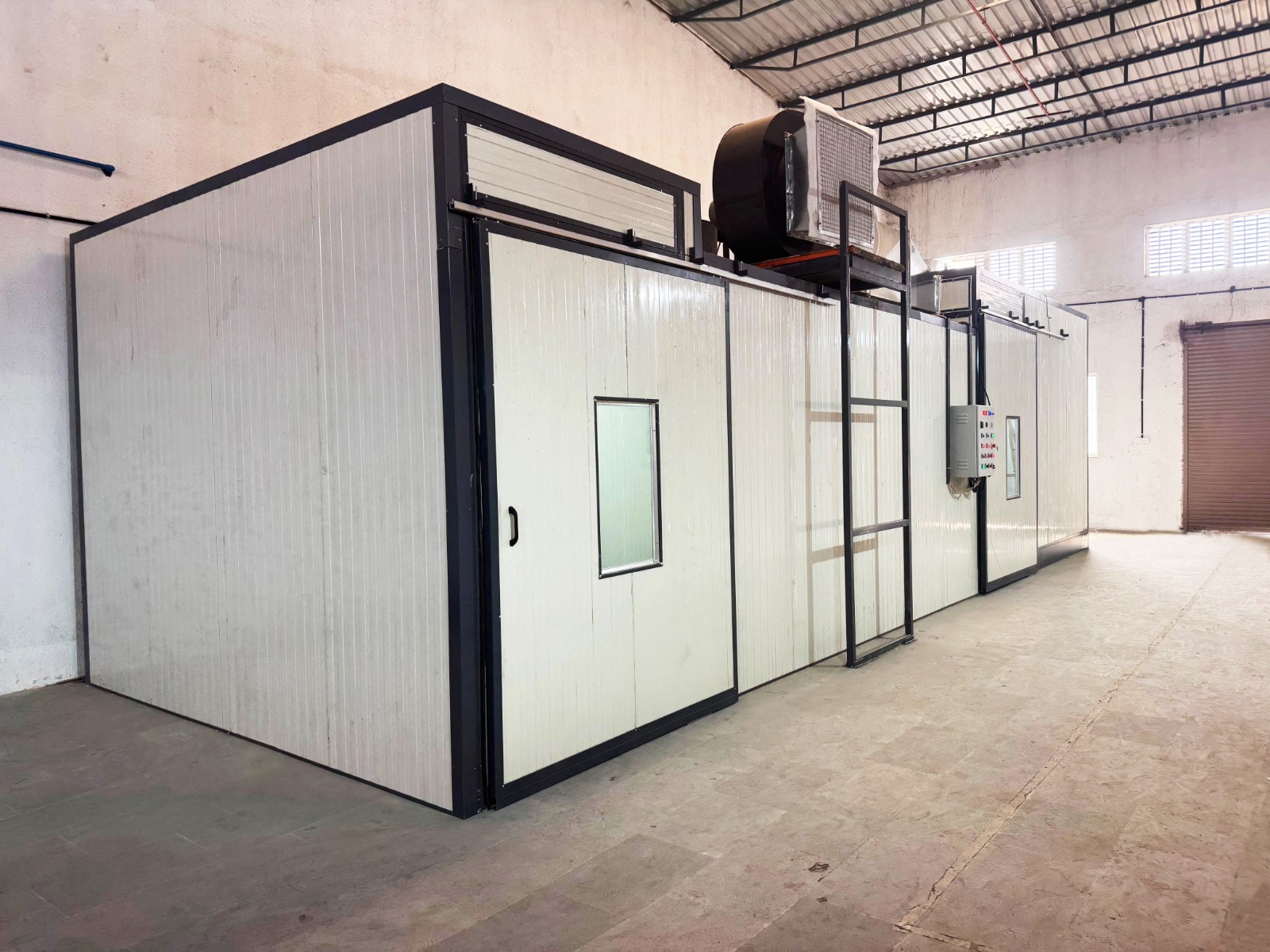
Finishing quality is determined by two things: the application environment and the skill of the team applying it. A controlled paint booth — one that eliminates dust contamination, maintains temperature and humidity within specification, and allows proper curing time — produces a finish that a workshop floor environment simply cannot match. The difference is visible under retail lighting conditions and becomes more pronounced over time.
This is why finishing infrastructure matters. It is not a differentiator for its own sake. It is the reason a fixture looks the same in year two as it did in year one.
Lifecycle Thinking Reduces Long-Term Cost
Brands that make fixture decisions purely on upfront cost often find that the economics reverse over the fixture's lifetime. Lower-specification fixtures require earlier replacement. Refinishing and repair mid-cycle adds unplanned cost. Inconsistency between old and new fixtures in a store creates a visual quality problem that is difficult to resolve without a full refresh.
A fixture specified for durability — with the right materials, correctly finished, and quality-checked before dispatch — has a longer usable life, a lower total cost of ownership, and a more consistent appearance across its lifespan. These are not intangible benefits. They translate directly into reduced expenditure on replacement, repair, and unplanned refreshes.
What to Ask Before You Specify
Before approving a fixture specification, it is worth pressing your manufacturing partner on a few direct questions:
- What is the expected lifespan of this specification under high-footfall conditions?
- How has this material and finish combination been tested for durability?
- What finishing environment and process are being used?
- Is the fixture modular enough to allow component-level repair rather than full replacement?
- What maintenance does this specification require to maintain appearance over time?
The answers will quickly reveal whether your partner is thinking about the fixture's life in the store — or only about getting it out of the factory.
Partner with Agwan for your next retail project
For fixture manufacturing, store rollouts, or collaboration discussions — we welcome you to connect with our team.